Product information
Oxygen: The Sports Science
OXYGEN combines with glucose to create ATP,the main energy source for your muscles. The more ATP your muscles have, the more powerful and explosive they will be.
When your muscles don't receive enough OXYGEN to support their exertion, they begin to produce lactic acid, which can cause muscle fatigue and failure. The more OXYGEN your muscles receive, the slower the production of lactic acid and the slower the rate of muscle fatigue.
OXYGEN is needed by your body to metabolize lactic acidin the liver after exercise. The more OXYGEN you get into your body POST-exercise, the faster your muscles can recover.
The bottom line is that OXYGEN can affect every aspect of your physical performance including:
OXYGEN combines with glucose to create ATP,the main energy source for your muscles. The more ATP your muscles have, the more powerful and explosive they will be.
When your muscles don't receive enough OXYGEN to support their exertion, they begin to produce lactic acid, which can cause muscle fatigue and failure. The more OXYGEN your muscles receive, the slower the production of lactic acid and the slower the rate of muscle fatigue.
OXYGEN is needed by your body to metabolize lactic acidin the liver after exercise. The more OXYGEN you get into your body POST-exercise, the faster your muscles can recover.
The bottom line is that OXYGEN can affect every aspect of your physical performance including:
- Power and Explosiveness
- Endurance
- Lactic Acid Muscle Burn
- Training Intensity
- Training Capacity
- Recovery
- Mental Clarity and Focus

Oxygen: Brain function
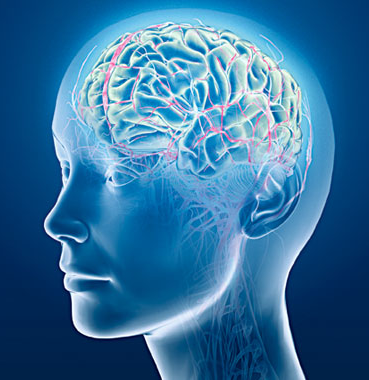
The brain utilizes approximately 20% of the body's oxygen supply. Compared with other types of cells, brain cells are especially sensitive to hypoxia, and they quickly begin to die when they are deprived of oxygen. When the brain does not get sufficient oxygen, the following can occur:
put, the more oxygen you supply to your brain and body, the better your brain and body will function!
The brain utilizes approximately 20% of the body's oxygen supply. Compared with other types of cells, brain cells are especially sensitive to hypoxia, and they quickly begin to die when they are deprived of oxygen. When the brain does not get sufficient oxygen, the following can occur:
- Lack of concentration
- Poor motor skills, balance
- Memory loss
- Poor judgment
- Light-headedness
- Mood swings
- Restlessness
put, the more oxygen you supply to your brain and body, the better your brain and body will function!

Oxygen: for Hangovers
When it comes to hangovers, oxygen supplementation may be "the best thing since sliced bread." If you've ever suffered from a hangover on a day when you had a lot to get done, you know that you'd try just about anything to make it go away!
Oxygen therapies and treatments
are the hottest thing among trendy
Americans these days. In las Vegas,
the MGM Grand reports over 75,000
people each year visit their O2 bar.
In brief, drinking alcohol causes hypoxia,a state of oxygen deficiency in the brain, and impairs the brains ability to use oxygen. Although hangovers are believed to be mainly caused by dehydration, this deprivation of oxygen is also a main factor. The ability of supplemental oxygen to clear the mind, detoxify the blood and increase your body's energy has been reported by many to help eliminate the terrible symptoms associated with hangovers, including headaches, fatigue and nausea.
Scientifically speaking, it takes 3 oxygen molecules to break down 1 alcohol molecule into acetaldehyde, and then into carbon dioxide and water. The more oxygen you give your body, the faster the alcohol is broken down into harmless substances.
When it comes to hangovers, oxygen supplementation may be "the best thing since sliced bread." If you've ever suffered from a hangover on a day when you had a lot to get done, you know that you'd try just about anything to make it go away!
Oxygen therapies and treatments
are the hottest thing among trendy
Americans these days. In las Vegas,
the MGM Grand reports over 75,000
people each year visit their O2 bar.
In brief, drinking alcohol causes hypoxia,a state of oxygen deficiency in the brain, and impairs the brains ability to use oxygen. Although hangovers are believed to be mainly caused by dehydration, this deprivation of oxygen is also a main factor. The ability of supplemental oxygen to clear the mind, detoxify the blood and increase your body's energy has been reported by many to help eliminate the terrible symptoms associated with hangovers, including headaches, fatigue and nausea.
Scientifically speaking, it takes 3 oxygen molecules to break down 1 alcohol molecule into acetaldehyde, and then into carbon dioxide and water. The more oxygen you give your body, the faster the alcohol is broken down into harmless substances.
Oxygen: for stress, sickness & disease
Stress comes in many forms, all of which can be debilitating: emotional stress, physical stress, toxic stress, and pathogenic stress. Stress can cause headaches, muscle tension, fatigue, mood swings, increased heart rates, the inability to concentrate, and more.
All forms of stress can affect your body's
ability to take in and utilize oxygen, the
most important nutrient to your body.
Prolonged stress, as we all know, can
cause serious, life threatening disease.
What is the first thing people tell you when you are stressed?... BREATHE! Why?... because breathing gets more oxygen into your body... and more oxygen in the body helps it cope with stress!
Practitioners of Yoga, Pilates, Tai Chi, Meditation and other relaxation exercises all focus on BREATHING. They are all based on the premise that maximizing oxygen intake will keep your body relaxed, your muscles loose, and your mind clear and focused.
There have been over 6,100 studies documented on the affects of lack of oxygen being the main cause for disease. Some of these studies include amazing results from oxygen treatment including a famous study and treatment know as "the one minute cure."
The following is a MUST READ article on this subject: click here
Stress comes in many forms, all of which can be debilitating: emotional stress, physical stress, toxic stress, and pathogenic stress. Stress can cause headaches, muscle tension, fatigue, mood swings, increased heart rates, the inability to concentrate, and more.
All forms of stress can affect your body's
ability to take in and utilize oxygen, the
most important nutrient to your body.
Prolonged stress, as we all know, can
cause serious, life threatening disease.
What is the first thing people tell you when you are stressed?... BREATHE! Why?... because breathing gets more oxygen into your body... and more oxygen in the body helps it cope with stress!
Practitioners of Yoga, Pilates, Tai Chi, Meditation and other relaxation exercises all focus on BREATHING. They are all based on the premise that maximizing oxygen intake will keep your body relaxed, your muscles loose, and your mind clear and focused.
There have been over 6,100 studies documented on the affects of lack of oxygen being the main cause for disease. Some of these studies include amazing results from oxygen treatment including a famous study and treatment know as "the one minute cure."
The following is a MUST READ article on this subject: click here



For product instructions: click here
For video overview: click here